
What Is Community-Led Growth?

What Is Community-Led Growth? (The Quiet Strategy Proven for Big Brands)

In today’s competitive digital landscape, businesses are realizing that attracting new customers is only part of the equation. Long-term success comes from building meaningful relationships with people who genuinely believe in a brand. This is where Community-Led Growth (CLG) comes into play.

Community-Led Growth is a strategy that focuses on creating and nurturing a loyal community around a brand rather than relying only on paid advertising or traditional sales techniques. Instead of treating customers as one-time buyers, businesses encourage them to become active participants, advocates, and even contributors to the brand’s growth.

Many of the world’s most successful companies have quietly embraced this approach. They invest in communities where customers can share experiences, ask questions, provide feedback, and connect with others who have similar interests. These communities create trust, improve customer loyalty, and generate organic word-of-mouth marketing.

The Best Digital Marketing Agency recognizes that strong communities often become a brand’s most valuable asset. By combining valuable content, meaningful engagement, and customer-focused strategies, businesses can create sustainable growth that goes far beyond traditional marketing.

In this blog, we’ll explain what Community-Led Growth is, why it matters, how it works, and how businesses can use it to build lasting success.

What Is Community-Led Growth?

Community-Led Growth (CLG) is a business strategy where growth is driven by an engaged and loyal community of customers, users, or supporters.

Instead of focusing only on selling products or services, businesses encourage ongoing interaction through:

  • Online communities
  • Social media groups
  • Discussion forums
  • Events and webinars
  • Educational content
  • Customer feedback programs

The goal is to create a space where members feel connected to both the brand and one another.

Why Is Community-Led Growth Important?

Modern consumers expect more than products—they want meaningful experiences and genuine relationships with the brands they support.

A strong community helps businesses:

  • Build trust
  • Increase customer loyalty
  • Encourage repeat purchases
  • Generate referrals
  • Collect valuable feedback
  • Improve customer satisfaction

When customers feel valued, they are more likely to encourage the brand to others.

How Community-Led Growth Works

Community-Led Growth is built on engagement rather than direct promotion.

The process often includes:

Creating Valuable Content

Businesses share helpful blogs, videos, webinars, tutorials, and educational resources that solve customer problems.

Encouraging Conversations

Brands actively participate in discussions, answer questions, and encourage members to interact with one another.

Listening to Feedback

Community members often provide suggestions that help improve products, services, and customer experiences.

Recognizing Members

Acknowledging loyal customers through shout-outs, rewards, or exclusive opportunities strengthens community relationships.

Benefits of Community-Led Growth

1. Builds Long-Term Customer Loyalty

Customers who feel connected to a brand are more likely to remain loyal over time.

Rather than constantly searching for new customers, businesses can strengthen relationships with existing ones.

2. Creates Organic Word-of-Mouth Marketing

Happy community members naturally recommend products and services to friends, family, and colleagues.

These recommendations often carry more trust than traditional advertisements.

3. Improves Customer Retention

Maintaining existing customers is generally more cost-effective than acquiring new ones.

A strong community encourages repeat business and long-term engagement.

4. Generates Valuable Feedback

Community discussions help businesses identify:

  • Customer needs
  • Product improvements
  • Common challenges
  • New opportunities

This feedback supports better decision-making.

5. Increases Brand Trust

Open communication and transparency strengthen credibility.

Customers appreciate brands that listen, respond, and continuously improve.


Community-Led Growth vs Traditional Marketing

Community-Led Growth Traditional Marketing
Focuses on relationships Focuses on promotions
Supports discussion exchanges messages within the same direction
Builds loyalty Drives immediate sales
Creates long-term engagement Often campaign-based
depends upon consumer advocacy mainly depends on commercials

Both approaches can work together, but Community-Led Growth emphasizes sustainable relationships.

Examples of Community Building

Businesses can create communities through:

  • Facebook Groups
  • LinkedIn Communities
  • Discord Servers
  • Telegram Groups
  • Online Forums
  • Customer Events
  • Educational Webinars
  • Membership Programs

The platform matters less than the value provided to members.

Tips for Building a Successful Community

Understand Your Audience

Know your customers’ interests, challenges, and goals before creating a community.

Share Valuable Content

Provide educational resources rather than constant sales messages.

Helpful content keeps members engaged.

Encourage Participation

Ask questions, create polls, host discussions, and invite members to share experiences.

Stay Consistent

Communities grow through regular interaction and active management.

Consistency builds trust.

Celebrate Members

Recognize contributions, highlight success stories, and thank active participants.

People appreciate feeling valued.

Common Mistakes to Avoid

Businesses should avoid:

  • Focusing only on sales
  • Ignoring customer feedback
  • Posting inconsistently
  • Allowing spam or negativity
  • Failing to engage with members
  • Creating communities without clear goals

Successful communities require genuine interaction and long-term commitment.

The Role of Content in Community Growth

Content plays a vital role in keeping communities active.

Useful content includes:

  • Blog posts
  • Video tutorials
  • Live Q&A sessions
  • Industry updates
  • Case studies
  • Customer success stories
  • Educational guides

Consistent, high-quality content encourages ongoing participation and builds trust over time.

How the Best Digital Marketing Agency Supports Community-Led Growth

The Best Digital Marketing Agency understands that communities are built through meaningful engagement, not just marketing campaigns. Effective Community-Led Growth begins with understanding the audience, creating valuable content, encouraging discussions, and maintaining consistent communication.

By combining SEO, social media marketing, email campaigns, and community management, businesses can build loyal audiences that actively support and promote their brand. A strong community not only improves customer retention but also creates long-term business growth through trust and authentic relationships.

The Future of Community-Led Growth

As digital marketing continues to evolve, communities will become even more valuable.

Future trends include:

  • AI-powered community management
  • Personalized member experiences
  • Private online communities
  • Live interactive events
  • Creator-led communities
  • Greater customer collaboration

Brands that invest in meaningful relationships today will be better positioned for future success.

Conclusion

Community-Led Growth is changing the way businesses connect with customers. Instead of focusing only on short-term sales, this strategy emphasizes building relationships, encouraging conversations, and creating loyal communities that support long-term success.

Businesses that invest in their communities often experience stronger customer loyalty, better retention, increased referrals, and valuable feedback that drives continuous improvement. Whether you’re a startup, small business, or established brand, building a community can become one of your greatest competitive advantages.

At World Digital Hub, we help businesses create meaningful digital experiences that strengthen customer relationships and encourage sustainable growth. As the Best Digital Marketing Agency, we believe that strong communities are built through trust, valuable content, and consistent engagement—not just advertising.

Frequently Asked Questions (FAQs)

1. What is Community-Led Growth?

Community-Led Growth (CLG) is a business strategy that focuses on building and engaging a loyal community of customers who actively support, promote, and contribute to a brand’s growth.

2. Why is Community-Led Growth important?

It helps businesses build customer trust, improve retention, increase referrals, collect valuable feedback, and create long-term relationships that support sustainable growth.

3. How is Community-Led Growth different from traditional marketing?

Traditional marketing focuses mainly on promoting products and generating sales, while Community-Led Growth emphasizes building relationships, encouraging engagement, and creating loyal customer communities.

4. Which platforms can businesses use to build communities?

Businesses can build communities through Facebook Groups, LinkedIn Communities, Discord, Telegram, online forums, webinars, membership platforms, and other interactive digital spaces.

What Is Influencer Marketing?

Influencer Marketing 101: Micro vs Macro Influencers

Influencer marketing has become one of the most effective digital marketing strategies for businesses of all sizes. Instead of relying only on traditional advertisements, brands now collaborate with individuals who have built loyal audiences on social media platforms like Instagram, YouTube, TikTok, LinkedIn, and Facebook. These influencers help businesses increase brand awareness, build trust, and encourage potential customers to try new products or services.

However, not all influencers are the same. Some have millions of followers, while others have smaller but highly engaged communities. This is why businesses often face an important question: Should you work with a micro influencer or a macro influencer?

The answer depends on your marketing goals, budget, target audience, and campaign objectives. Understanding the strengths and limitations of each type of influencer can help you make better marketing decisions.

The Best Digital Marketing Agency carefully evaluates influencer partnerships to ensure businesses connect with the right audience and maximize their return on investment (ROI). In this guide, we’ll explain the differences between micro and macro influencers, their advantages, and how to choose the right one for your business.

What Is Influencer Marketing?

Influencer marketing is a digital marketing strategy where brands collaborate with content creators who have built credibility and a dedicated audience on social media.

Instead of promoting products directly through advertisements, businesses partner with influencers to showcase products naturally through:

  • Product reviews
  • Tutorials
  • Unboxing videos
  • Social media posts
  • Live streams
  • Giveaways
  • Brand collaborations

Because followers trust influencers, their recommendations often feel more authentic than traditional advertising.

Who Are Micro Influencers?

Typically, micro influencers have around 10,000 to 100,000 followers. on social media. While their audience is smaller than that of celebrities, they usually focus on a specific niche such as:

  • Fitness
  • Fashion
  • Technology
  • Beauty
  • Travel
  • Gaming
  • Food
  • Finance
  • Education

Their followers often view them as relatable experts, leading to stronger engagement and trust.

Advantages of Micro Influencers

  • Higher engagement rates
  • More authentic relationships with followers
  • Cost-effective partnerships
  • Better audience targeting
  • Greater trust and credibility

Many small and medium-sized businesses prefer micro influencers because they provide strong value without requiring large marketing budgets.

Who Are Macro Influencers?

Macro influencers generally have 100,000 to over 1 million followers. They are well-known personalities who have built large online communities across one or multiple platforms.

Many macro influencers are:

  • Full-time content creators
  • Industry experts
  • Public figures
  • Entertainers
  • Professional athletes
  • Well-known bloggers

Their large audience allows brands to reach a much wider group of people.

Advantages of Macro Influencers

  • Massive brand exposure
  • Large audience reach
  • Strong brand recognition
  • Professional content quality
  • Ability to launch large-scale campaigns

Macro influencers are often chosen by national or international brands looking for broad visibility.

Micro vs Macro Influencers

Feature Micro Influencers Macro Influencers
Followers 10K–100K 100K–1M+
Engagement Usually Higher Usually Lower
Cost More Affordable More Expensive
Audience Niche & Targeted Broad & Diverse
Trust Level High Moderate to High
Best For Small Businesses Large Brand Campaigns

Both influencer types have unique strengths, and the right choice depends on your campaign objectives.

Which Influencer Is Better?

There is no universal answer because different campaigns require different approaches.

Choose micro influencers if your goal is to:

  • Build community trust
  • Target a specific audience
  • Increase engagement
  • Work within a limited budget
  • Promote niche products

Choose macro influencers if your goal is to:

  • Increase brand awareness
  • Reach a large audience quickly
  • Launch national campaigns
  • Promote well-known products
  • Generate widespread visibility

Some brands even combine both strategies for maximum impact.

How to Choose the Right Influencer

Before selecting an influencer, consider the following factors:

Audience Relevance

Ensure the influencer’s followers match your target audience.

Engagement Rate

High engagement often indicates an active and loyal community.

Content Quality

Review the influencer’s posts, videos, and storytelling style to see if they align with your brand.

Authenticity

Choose influencers who genuinely connect with their audience rather than promoting products excessively.

Brand Values

Partner with influencers whose values and reputation complement your business.

Benefits of Influencer Marketing

When planned effectively, influencer marketing offers several advantages:

  • Builds customer trust
  • Increases brand awareness
  • Reaches targeted audiences
  • Improves social media engagement
  • Generates quality leads
  • Supports product launches
  • Creates authentic brand storytelling

Unlike traditional advertising, influencer marketing often feels more personal and relatable.

Common Mistakes to Avoid

Many businesses make avoidable mistakes when launching influencer campaigns.

Avoid:

  • Choosing influencers only on counting the number on associates
  • Ignoring engagement metrics
  • Working with influencers outside your niche
  • Failing to define campaign goals
  • Not tracking campaign performance
  • Overlooking audience demographics

Successful campaigns focus on quality partnerships rather than popularity alone.

Measuring Campaign Success

To understand whether an influencer campaign is successful, monitor key performance indicators (KPIs), including:

  • Reach and impressions
  • Likes, comments, and shares
  • Click-through rate (CTR)
  • Website traffic
  • Lead generation
  • Sales and conversions
  • Return on investment (ROI)

Tracking these metrics helps businesses improve future campaigns.

How the Best Digital Marketing Agency Uses Influencer Marketing

The Best Digital Marketing Agency understands that successful influencer marketing is about more than choosing someone with a large following. A strategic approach includes researching the influencer’s audience, analyzing engagement rates, defining campaign goals, and measuring results after the campaign ends.

For example, a local business may benefit more from several trusted micro influencers who connect with a specific community, while a national brand launching a new product may achieve better results with macro influencers who offer broader visibility. By matching influencer partnerships with business objectives, brands can improve awareness, customer trust, and overall marketing performance.

The Future of Influencer Marketing

Influencer marketing continues to evolve as social media platforms change.

Future trends include:

  • Growth of nano and micro influencers
  • AI-powered campaign analysis
  • Long-term brand partnerships
  • Greater focus on authenticity
  • Video-first content strategies
  • Performance-based influencer collaborations

Brands that prioritize genuine relationships and valuable content will continue to succeed in this rapidly changing landscape.

Conclusion

Influencer marketing has become one of the most effective ways for businesses to connect with customers in a genuine and engaging manner. While macro influencers provide large-scale exposure, micro influencers often deliver stronger engagement and deeper audience trust. The best choice depends on your marketing goals, budget, and target audience.

Rather than focusing solely on follower numbers, businesses should evaluate engagement, authenticity, content quality, and audience relevance before selecting an influencer. A well-planned influencer strategy can increase brand awareness, improve customer relationships, and generate meaningful business growth.

At World Digital Hub, we help businesses build effective influencer marketing campaigns that deliver measurable results. As the Best Digital Marketing Agency, we combine market research, audience insights, and creative strategies to connect brands with the right influencers and maximize campaign success.

Frequently Asked Questions (FAQs)

1. What is influencer marketing?

Influencer marketing is a digital marketing strategy where businesses collaborate with social media creators to promote products or services to their audience through authentic and engaging content.

2. What is the difference between micro and macro influencers?

Micro influencers usually have between 10,000 and 100,000 followers and higher engagement rates, while macro influencers have over 100,000 followers and offer greater overall reach.

3. Which type of influencer is better for small businesses?

Micro influencers are often a better choice for small businesses because they are more affordable, have highly engaged audiences, and typically build stronger trust with their followers.

4. How do businesses choose the right influencer?

Businesses should consider audience relevance, engagement rate, content quality, authenticity, brand values, and campaign objectives rather than focusing only on follower count.

What Is Personal Branding?

What Is Personal Branding, and Why It Matters More Than Ever

In today’s digital world, people often search online before deciding whom to hire, follow, or do business with. Whether you’re a student, freelancer, entrepreneur, content creator, or corporate professional, your online presence can shape how others perceive you. This is where personal branding becomes important.

Personal branding is more than having a professional profile picture or posting regularly on social media. It is about creating a consistent image that reflects your skills, values, personality, and expertise. A strong personal brand helps you stand out from the crowd, build trust, and create opportunities that may not come through traditional networking alone.

With millions of people sharing content online every day, having a unique identity is more valuable than ever. Companies also look for individuals who demonstrate knowledge, credibility, and professionalism online.

The Best Digital Marketing Agency understands that strong businesses are built by strong people. Whether you’re promoting your career or growing your company, personal branding can become one of your most powerful assets.

In this blog, we’ll explore what personal branding is, why it matters, and how you can build a brand that helps you achieve your personal and professional goals.

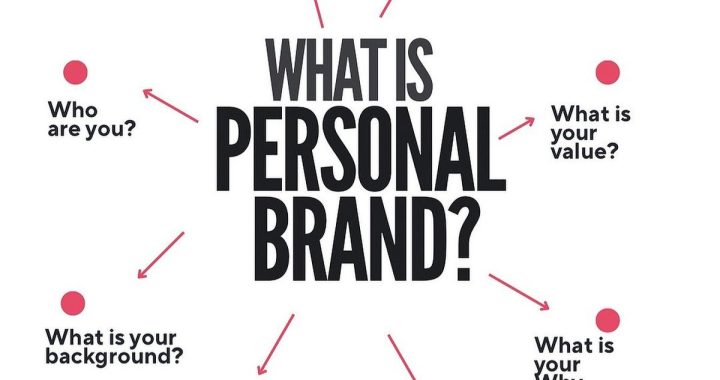
What Is Personal Branding?

Personal branding is the process of presenting yourself in a way that highlights your knowledge, experience, values, and personality. It is the reputation you build through your actions, communication, and online presence.

Think of your personal brand as your digital identity. It tells people:

  • Who you are
  • What you do
  • What you believe in
  • What skills you have
  • Why people should trust you

A well-developed personal brand creates recognition and helps people remember you for the right reasons.

Why Personal Branding Matters

A strong personal brand offers many long-term benefits.

Builds Trust

People prefer to work with individuals they trust. Sharing helpful content, demonstrating expertise, and maintaining professionalism can establish credibility over time.

Creates Career Opportunities

Recruiters and employers often review online profiles before making hiring decisions. A strong personal brand can increase your chances of receiving job offers, freelance projects, or speaking invitations.

Helps You Stand Out

Many professionals have similar qualifications. Personal branding highlights what makes you different and gives people a reason to choose you over someone else.

Expands Your Network

A recognizable personal brand attracts like-minded professionals, clients, collaborators, and mentors.

Supports Business Growth

For entrepreneurs, customers often buy from people they know and trust. A strong personal brand can strengthen your company’s reputation and encourage customer loyalty.

Key Elements of a Strong Personal Brand

Building a personal brand requires consistency and authenticity.

1. Know Your Purpose

Ask yourself:

  • What do I want to be called..?
  • What problems can I solve..?
  • Who is my target audience..?

Having a clear purpose helps shape your messaging.

2. Identify Your Strength

Focus on your unique skills and experiences.

These could include:

  • Digital marketing
  • Graphic design
  • Programming
  • Public speaking
  • Writing
  • Business consulting

Your expertise becomes the foundation of your personal brand.

3. Be Authentic

People connect with genuine personalities.

Avoid pretending to be someone you’re not. Share your experiences honestly and let your values guide your communication.

4. Maintain Consistency

Use a consistent tone, style, and message across all platforms.

Consistency builds recognition and strengthens trust over time.

5. Provide Value

Instead of constantly promoting yourself, share content that educates, inspires, or solves problems.

Helpful content encourages people to follow and engage with your work.

Where Should You Build Your Personal Brand?

Your audience determines which platforms are most valuable.

Popular platforms include:

LinkedIn

Excellent for consultants, job seekers, professionals, and business networking.

Instagram

Great for creators, designers, photographers, coaches, and lifestyle brands.

YouTube

Excellent for tutorials, educational videos, product reviews, and storytelling.

Personal Website

A website gives you complete control over your content and showcases your portfolio, achievements, and services.

Blogging

Writing informative blogs demonstrates expertise and improves your online visibility through search engines.

How to Build Your Personal Brand

Building a personal brand takes time, but these steps can help you get started.

Define Your Goals

Decide what you want your personal brand to achieve, whether it’s career growth, business development, or becoming an industry expert.

Create High-Quality Content

Share valuable content related to your area of expertise.

Examples include:

  • Articles
  • Videos
  • Tutorials
  • Tips
  • Case studies
  • Industry insights

Engage With Your Audience

Respond to comments, answer questions, and participate in conversations.

Building relationships is just as important as publishing content.

Continue Learning

Industries change quickly.

Stay updated by learning new skills, following trends, and sharing your knowledge with others.

Be Patient

Strong personal brands are built through consistent effort over time.

Success rarely happens overnight.

Common Personal Branding Mistakes

Avoid these common mistakes:

  • Posting inconsistently
  • Copying others instead of being original
  • Ignoring audience engagement
  • Sharing inaccurate information
  • Focusing only on self-promotion
  • Having different messages across platforms

Authenticity and consistency are far more effective than trying to impress everyone.

Personal Branding and Digital Marketing

Personal branding and digital marketing work together.

Digital marketing helps you:

  • Reach a larger audience
  • Improve online visibility
  • Build authority
  • Generate leads
  • Grow your business

The Best Digital Marketing Agency helps professionals and businesses strengthen both their personal and company brands through SEO, content marketing, social media strategies, and website optimization.

The Future of Personal Branding

As technology continues to evolve, personal branding will become even more important.

Emerging trends include:

  • AI-assisted content creation
  • Video-first communication
  • Thought leadership
  • Community building
  • Authentic storytelling
  • Personal websites and portfolios

People who consistently share valuable knowledge and build genuine relationships will continue to stand out.

Conclusion

Personal branding is no longer optional—it is an essential part of building a successful career or business in the digital age. Whether you’re looking for a new job, attracting clients, growing a business, or becoming an industry expert, the way people perceive you online matters.

A strong personal brand is built on authenticity, consistency, expertise, and a genuine desire to help others. By sharing valuable content, engaging with your audience, and continuously improving your skills, you can create a reputation that opens doors to new opportunities.

As the Best Digital Marketing Agency, we help professionals and businesses build strong digital identities that inspire trust, increase visibility, and support long-term growth.

Frequently Asked Questions (FAQs)

1. What is personal branding?

Personal branding is the process of creating and managing how people perceive you based on your skills, values, expertise, personality, and online presence.

2. Why is personal branding important?

Personal branding helps build trust, improve career opportunities, attract clients, strengthen professional relationships, and establish credibility in your industry.

3. Who needs personal branding?

Students, freelancers, entrepreneurs, professionals, content creators, consultants, and business owners can all benefit from developing a strong personal brand.

4. Which platform is best for personal branding?

The best platform depends on your goals. LinkedIn is excellent for professionals, Instagram for visual creators, YouTube for educational content, and a personal website for showcasing your portfolio and achievements.

What Is a Social Media Algorithm?

Platform Algorithms Explained: Instagram vs YouTube vs LinkedIn

Every day, billions of people use social media platforms to discover new content, connect with others, learn new skills, and interact with businesses. But have you ever wondered why certain posts appear at the top of your feed while others receive very little attention? The answer lies in platform algorithms.

An algorithm is a system that helps social media platforms decide which content users are most likely to find interesting or useful. Instead of showing posts in a simple chronological order, platforms like Instagram, YouTube, and LinkedIn analyze many signals to determine what should appear first. These signals may include user interests, engagement, watch time, relevance, and content quality.

Understanding how these algorithms work is essential for creators, influencers, businesses, and marketers. By creating content that aligns with platform preferences, you can increase visibility, attract more followers, and build stronger relationships with your audience.

The Best Digital Marketing Agency understands that each platform has unique ranking factors. Rather than using the same strategy everywhere, successful marketers adapt their content to suit the strengths of Instagram, YouTube, and LinkedIn.

In this blog, we’ll explain how these three popular platform algorithms work, compare their differences, and share practical tips for improving your content performance.

What Is a Social Media Algorithm?

A social media algorithm is a set of rules and machine learning systems that determine which content appears in a user’s feed, recommendations, or search results.

Instead of showing every post equally, algorithms prioritize content based on what they believe users will enjoy or find valuable.

Their main goals are to:

  • Improve user experience
  • Keep users engaged
  • Recommend relevant content
  • Reduce spam
  • Personalize each user’s feed

Although every platform uses different methods, all algorithms aim to show the right content to the right audience.

Why Are Algorithms Important?

It affect how many people see a content.

A strong understanding of platform algorithms helps creators:

  • Increase visibility
  • Reach new audiences
  • Improve engagement
  • Grow followers
  • Generate leads
  • Build brand awareness

Businesses that understand algorithms can develop more effective marketing strategies and achieve better long-term results.

How Instagram’s Algorithm Works

Instagram focuses heavily on user engagement and personal interests.

The platform wants users to see content that keeps them interacting for longer periods.

Instagram evaluates several signals when deciding what to show.

1. Engagement

Posts with strong engagement often receive greater visibility.

This includes:

  • Likes
  • Comments
  • Shares
  • Saves
  • Replies
  • Profile visits

Content that encourages meaningful interaction usually performs better.

2. User Interests

Instagram studies previous user behavior.

If someone frequently watches travel videos, follows travel creators, and likes travel photos, Instagram will recommend similar content.

3. Relationship Signals

The platform also prioritizes content from accounts users interact with regularly.

Examples include:

  • Friends
  • Family
  • Favorite creators
  • Frequently messaged accounts

Regular interaction strengthens visibility.

4. Content Freshness

Recent content often receives priority over older posts.

Posting consistently helps maintain visibility.

Tips for Instagram Success

  • Post consistently.
  • Create high-quality photos and videos.
  • Encourage comments and shares.
  • Use relevant hashtags.
  • Write engaging captions.
  • Respond to followers quickly.
  • Use Reels for greater reach.

How YouTube’s Algorithm Works

Unlike Instagram, YouTube focuses primarily on viewer satisfaction and watch behavior.

Its goal is to recommend videos people are likely to watch and enjoy.

1. Watch Time

One of YouTube’s strongest ranking factors is watch time.

The longer viewers stay on your video, the stronger the signal that your content is valuable.

2. Audience Retention

Audience Retention measures how many of your videos do people usually watch.

Videos that keep viewers engaged until the end are more likely to be recommended.

3. Click-Through Rate (CTR)

CTR measures how often users click on your video after seeing the thumbnail.

Strong titles and attractive thumbnails improve CTR.

4. Viewer Satisfaction

YouTube also considers:

  • Likes
  • Comments
  • Shares
  • Subscriptions
  • Survey feedback

Positive viewer experiences increase future recommendations.

Tips for YouTube Success

  • Create valuable videos.
  • Use attractive thumbnails.
  • Write clear titles.
  • Keep viewers engaged.
  • Upload consistently.
  • Encourage subscriptions.
  • Optimize descriptions and keywords.

How LinkedIn’s Algorithm Works

LinkedIn is different because it focuses on professional networking and educational content.

The platform rewards posts that encourage meaningful professional discussions.

1. Relevance

LinkedIn first determines whether your content is relevant to your audience.

Professional, educational, and industry-related posts generally perform better.

2. Meaningful Engagement

Comments often carry more weight than simple likes.

Posts that start thoughtful conversations tend to reach more people.

3. Expertise

LinkedIn values creators who regularly share useful knowledge within their industry.

Educational content often receives greater visibility than promotional posts.

4. Network Relationships

Content is initially shown to your connections.

If they engage positively, LinkedIn expands the reach to additional users.

Tips for LinkedIn Success

  • Share professional insights.
  • Publish educational articles.
  • Encourage discussions.
  • Avoid excessive promotional content.
  • Stay active consistently.
  • Respond to comments.
  • Build meaningful professional connections.

Instagram vs YouTube vs LinkedIn

Feature Instagram YouTube LinkedIn
Main Focus Engagement Watch Time Professional Value
Best Content Reels, Photos, Stories Long-form & Short Videos Articles, Professional Posts
Important Metric Likes, Shares, Saves Watch Time & Retention Comments & Discussions
Audience General Consumers Entertainment & Education Professionals & Businesses
Growth Strategy Consistent Engagement High-Quality Videos Industry Expertise

Each platform rewards different behaviors, so using one strategy everywhere is rarely effective.

Common Mistakes Across All Platforms

Many creators reduce their reach by making avoidable mistakes.

Examples include:

  • Posting inconsistently
  • Ignoring audience engagement
  • Publishing low-quality content
  • Using misleading titles
  • Posting only promotional material
  • Failing to respond to comments
  • Not analyzing performance data

Avoiding these mistakes helps improve long-term growth.

Why Content Quality Still Matters Most

Although algorithms are important, quality content remains the biggest factor in long-term success.

High-quality content:

  • Solves problems
  • Educates audiences
  • Entertains viewers
  • Builds trust
  • Encourages interaction
  • Creates lasting relationships

Usually designed to reward a content that provides genuine values.

How AI Supports Platform Algorithms

Artificial Intelligence plays a major role in modern social media.

AI helps platforms:

  • Recommend personalized content
  • Detect spam
  • Identify user interests
  • Improve search results
  • Analyze engagement patterns

Businesses can also use AI to:

  • Generate content ideas
  • Plan posting schedules
  • Analyze campaign performance
  • Improve audience targeting

However, human creativity remains essential for creating meaningful and authentic content.

How the Best Digital Marketing Agency Builds Platform-Specific Strategies

The Best Digital Marketing Agency understands that every platform has different goals and ranking signals.

Instead of posting identical content everywhere, experienced marketers create customized strategies for each platform.

For example:

  • Instagram campaigns focus on visual storytelling, Reels, and audience interaction.
  • YouTube strategies prioritize educational videos, viewer retention, and search optimization.
  • LinkedIn campaigns emphasize professional insights, thought leadership, and industry discussions.

By adapting content to each platform’s strengths, businesses improve visibility, engagement, and long-term growth.

The Future of Social Media Algorithms

Social media algorithms continue to evolve.

Future trends may include:

  • Increased AI personalization
  • Better content recommendations
  • Stronger emphasis on authenticity
  • More video-first experiences
  • Improved spam detection
  • Greater focus on user satisfaction

Creators who consistently produce valuable content and adapt to platform updates will remain competitive.

Conclusion

Platform algorithms may seem complicated, but their purpose is simple: to connect users with content they are most likely to enjoy or find valuable. Instagram rewards engagement and visual interaction, YouTube focuses on watch time and viewer satisfaction, while LinkedIn prioritizes professional knowledge and meaningful discussions.

Instead of trying to “beat” the algorithm, creators should focus on understanding their audience, publishing consistently, and delivering high-quality content. Businesses that adapt their strategies for each platform can achieve stronger engagement, better visibility, and long-term success.

At World Digital Hub, we create platform-specific marketing strategies that help businesses maximize their digital presence. As the Best Digital Marketing Agency, we combine data, creativity, and industry expertise to build campaigns that perform effectively across Instagram, YouTube, LinkedIn, and other leading digital platforms.

Frequently Asked Questions (FAQs)

1. What is a social media algorithm?

A social media algorithm is a system that decides which content users see based on factors such as engagement, relevance, user interests, and previous interactions.

2. How does Instagram’s algorithm work?

Instagram prioritizes content based on engagement, user interests, relationships between users, content freshness, and interactions such as likes, comments, shares, and saves.

3. What is the most important factor in YouTube’s algorithm?

Watch time and audience retention are among YouTube’s most important ranking signals. Videos that keep viewers engaged are more likely to be recommended.

4. Why is LinkedIn’s algorithm different?

LinkedIn focuses on professional networking and rewards educational, informative, and discussion-driven content that provides value to business audiences.

What Is a Content Calendar?

Why Every Creator Needs a Content Calendar: An Overview

Creating high-quality content consistently is one of the biggest challenges for bloggers, businesses, influencers, YouTubers, and digital marketers. Many creators start with enthusiasm but soon find themselves struggling to come up with new ideas, missing publishing deadlines, or posting irregularly. This inconsistency can reduce audience engagement and limit long-term growth.

content calendar is a simple yet powerful solution to these challenges. Instead of deciding what to post at the last minute, creators can plan weeks or even months ahead.

Whether you’re managing a personal blog, a business website, or multiple social media platforms, a content calendar allows you to stay organized and focused on your goals. It also makes collaboration easier for teams by keeping everyone informed about upcoming projects and deadlines.

The Best Digital Marketing Agency relies on content calendars to plan SEO strategies, blog publications, email campaigns, and social media content. Proper planning ensures every piece of content supports business objectives and reaches the right audience at the right time.

In this blog, you’ll learn what a content calendar is, why it is important, how to create one, and why it has become an essential tool for every content creator.

What Is a Content Calendar…?

A content calendar is a planning tool used to organize, schedule, and manage content before it is published.

It provides a clear overview of:

  • Blog publishing dates
  • Social media posts
  • Email newsletters
  • Video uploads
  • Marketing campaigns
  • Seasonal promotions
  • Product launches

A content calendar can be created using spreadsheets, project management software, online calendars, or dedicated content planning tools.

Instead of wondering what to create each day, creators simply follow their planned schedule.

Why Is a Content Calendar Important?

Content creation requires consistency. Publishing randomly makes it difficult to build an audience or improve search engine rankings.

A content calendar helps creators:

  • Stay organized
  • Publish consistently
  • Save time
  • Reduce stress
  • Improve teamwork
  • Maintain content quality
  • Support long-term marketing goals

Planning ahead allows creators to spend more time improving content instead of constantly searching for new ideas.

Benefits of Using a Content Calendar

1. Improves Consistency

Consistency is one of the most important factors in content marketing.

Whether you publish one blog every week or post daily on social media, maintaining a regular schedule helps build trust with your audience.

People are more likely to return when they know new content is published consistently.

2. Saves Time

Without a plan, creators often spend hours deciding what to create.

A content calendar eliminates this daily uncertainty by organizing topics in advance.

This allows creators to focus on writing, designing, recording, or editing instead of brainstorming every day.

3. Reduces Last-Minute Stress

Many creators experience pressure when deadlines approach.

Planning content ahead of time reduces the need for rushed work and helps maintain quality.

Prepared content also provides flexibility during busy periods or unexpected events.

4. Supports Better SEO

Search engines value websites that publish helpful content consistently.

A content calendar allows creators to:

  • Plan keyword-focused articles
  • Cover related topics
  • Avoid duplicate content
  • Build topic authority
  • Update older content regularly

The Best Digital Marketing Agency uses structured content calendars to ensure SEO strategies remain organized and effective.

5. Helps Maintain Quality

When creators rush to publish, mistakes become more common.

Planning allows enough time for:

  • Research
  • Writing
  • Editing
  • Fact-checking
  • Image creation
  • SEO optimization

This leads to higher-quality content and a better user experience.

6. Makes Team Collaboration Easier

For businesses with multiple team members, a content calendar improves communication.

Everyone knows:

  • What content is being created
  • Who is responsible
  • Publication dates
  • Campaign priorities

Clear planning reduces confusion and improves productivity.

7. Aligns Content With Business Goals

Every piece of content should support a larger objective.

For example:

  • Increasing website traffic
  • Generating leads
  • Promoting services
  • Building brand awareness
  • Educating customers

A content calendar helps ensure every article, video, or social media post contributes to those goals.

What Should a Content Calendar Include?

A good content calendar usually contains:

  • Content title
  • Target keyword
  • Content type
  • Platform
  • Author
  • Publication date
  • Status (Draft, Review, Published)
  • Call to action
  • Notes or special instructions

Including these details helps creators stay organized throughout the content creation process.

Types of Content You Can Plan

A content calendar is useful for many different formats, including:

Blog Posts

Educational articles, guides, tutorials, and industry updates.

Social Media Content

Instagram posts, Facebook updates, LinkedIn articles, and short videos.

Email Marketing

Newsletters, promotional emails, and customer updates.

Video Content

YouTube videos, webinars, tutorials, and product demonstrations.

Seasonal Campaigns

Holiday promotions, product launches, sales events, and awareness campaigns.

Planning all these formats together creates a more consistent marketing strategy.

How to Create a Content Calendar

Creating a content calendar doesn’t need to be complicated.

Step 1: Define Your Goals

Ask yourself:

  • What do I want to achieve?
  • Who is my audience?
  • Which platforms will I use?

Clear goals make planning easier.

Step 2: Brainstorm Content Ideas

Create a list of topics.

Examples include:

  • Beginner guides
  • Industry trends
  • Frequently asked questions
  • Product tutorials
  • Customer success stories

Having a large list of ideas prevents future writer’s block.

Step 3: Choose Publishing Dates

Decide how often you’ll publish.

Examples:

  • One blog every week
  • Three social media posts per week
  • One newsletter every month

Choose a schedule you can maintain consistently.

Step 4: Assign Responsibilities

If you work with a team, assign tasks such as:

  • Research
  • Writing
  • Editing
  • Graphic design
  • Publishing

Clear responsibilities improve workflow.

Step 5: Review Regularly

Content calendars should remain flexible.

Review performance regularly and adjust your schedule based on audience engagement, trends, or business priorities.

Common Mistakes to Avoid

Many creators make planning mistakes that reduce effectiveness.

Avoid:

  • Publishing inconsistently
  • Planning too far ahead without flexibility
  • Ignoring audience interests
  • Forgetting seasonal events
  • Repeating similar topics
  • Not tracking content performance

A balanced and adaptable calendar works best.

How AI Can Help With Content Planning

Artificial Intelligence has made content planning easier.

AI can help with:

  • Topic brainstorming
  • Keyword suggestions
  • Content outlines
  • Title ideas
  • Publishing schedules
  • SEO recommendations

However, human creativity and strategic planning remain essential for producing valuable content.

How the Best Digital Marketing Agency Uses Content Calendars

The Best Digital Marketing Agency understands that successful marketing depends on careful planning.

Content calendars are used to:

  • Schedule SEO blog posts
  • Organize email campaigns
  • Plan social media content
  • Coordinate product launches
  • Monitor seasonal promotions
  • Balance educational and promotional content

This structured approach helps businesses remain consistent while maximizing audience engagement and search visibility.

The Future of Content Planning

As digital marketing evolves, content planning will become even more important.

Future trends include:

  • AI-assisted scheduling
  • Predictive content recommendations
  • Data-driven publishing decisions
  • Personalized content strategies
  • Multi-platform content management

Creators who plan effectively will be better positioned to meet changing audience expectations.

Conclusion

Creating great content is only part of a successful digital marketing strategy. Consistency, organization, and planning are equally important. A content calendar helps creators stay focused, reduce stress, improve productivity, and publish valuable content on a regular schedule.

Whether you are a blogger, entrepreneur, content creator, or business owner, investing time in content planning can lead to better audience engagement, stronger SEO performance, and more effective marketing campaigns.

At World Digital Hub, we believe that thoughtful planning is the foundation of long-term success. As the Best Digital Marketing Agency, we use well-structured content calendars to deliver consistent, high-quality content that supports our clients’ business goals and helps them build a stronger digital presence.

Frequently Asked Questions (FAQs)

1. What is a content calendar?

A content calendar is a planning tool used to organize, schedule, and manage content before it is published across blogs, social media, email campaigns, or other marketing channels.

2. Why is a content calendar important?

A content calendar helps creators stay organized, publish consistently, reduce stress, save time, improve teamwork, and support long-term marketing goals.

3. What should be included in a content calendar?

A content calendar typically includes content titles, target keywords, publication dates, content types, assigned team members, status updates, and calls to action.

4. Can a content calendar improve SEO?

Yes. A content calendar supports SEO by helping creators publish consistently, plan keyword-focused articles, cover related topics, and update existing content regularly.