
What Is Conversion Rate Optimization (CRO)?

What Is Conversion Rate Optimization (CRO)?

Driving traffic to your website is an important part of digital marketing, but traffic alone does not guarantee business success. Imagine having thousands of visitors on your website every month, yet only a handful of them make a purchase, fill out a contact form, or subscribe to your newsletter. This is a common challenge for many businesses, and it highlights the importance of Conversion Rate Optimization (CRO).

Conversion Rate Optimization, commonly known as CRO, is the process of improving your website or landing pages to encourage more visitors to complete a desired action. Instead of spending more money on advertising to attract additional traffic, CRO focuses on making better use of the visitors you already have. Small improvements in website design, content, navigation, and user experience can lead to significant increases in conversions.

The Best Digital Marketing Agency understands that successful digital marketing is not just about bringing people to a website—it’s about turning those visitors into customers. By using data, customer insights, and continuous testing, businesses can improve conversion rates and achieve better returns on their marketing investment.

In this blog, we’ll explain what CRO is, why it matters, the factors that influence conversions, and the best practices businesses can follow to optimize their websites.

What Is Conversion Rate Optimization (CRO)?

Conversion Rate Optimization is the practice of increasing the percentage of website visitors who complete a specific goal or action. A conversion can be any action that supports your business objectives, such as purchasing a product, requesting a quote, downloading an eBook, signing up for a newsletter, or submitting a contact form.

Rather than focusing solely on increasing website traffic, CRO aims to improve the effectiveness of your existing traffic. It involves analyzing how visitors interact with your website, identifying barriers that prevent conversions, and making improvements based on real user behavior.

Because CRO relies on testing and data analysis rather than assumptions, it helps businesses make smarter decisions that improve both user experience and overall business performance.

Why Is CRO Important?

Many businesses invest heavily in SEO, social media marketing, and paid advertising to attract visitors, but if those visitors leave without taking action, much of that effort is wasted. CRO ensures that the traffic you generate has a better chance of becoming valuable leads or paying customers.

Improving your conversion rate also increases your return on investment (ROI). Instead of spending more money to attract new visitors, you maximize the value of the audience you already have. Even a small improvement in conversion rate can lead to significant growth in revenue over time.

Another benefit of CRO is that it enhances the user experience. When visitors find a website easy to navigate, fast to load, and simple to use, they are more likely to trust the business and complete the desired action.

What Counts as a Conversion?

A conversion depends on your business goals. For an e-commerce website, a conversion may be a completed purchase. For a service-based business, it could be a contact form submission or a consultation booking. Educational websites may focus on newsletter subscriptions or course registrations.

Other common conversions include downloading a free guide, creating an account, requesting a product demonstration, or clicking a call-to-action button. Every business should clearly define its conversion goals before beginning a CRO strategy.

Understanding what success looks like helps businesses measure performance accurately and identify areas that need improvement.

Factors That Affect Conversion Rates

Several elements influence whether visitors choose to take action on your website. One of the most important factors is website design. A clean, professional, and visually appealing design creates a positive first impression and encourages users to stay longer.

Website speed also plays a major role. Slow-loading pages often frustrate visitors, causing them to leave before exploring your content. Optimizing page speed improves both user experience and search engine rankings.

Content quality is another important factor. Clear, informative, and engaging content helps visitors understand your products or services and builds confidence in your brand. Conversation calls-to-action (CTAs), customer endorsements, and trust signals like security badges all increase conversion rates.

Best Practices for Conversion Rate Optimization

Successful CRO requires continuous testing and improvement rather than one-time changes. Businesses should regularly analyze website performance using tools such as Google Analytics and heatmaps to understand how visitors interact with different pages.

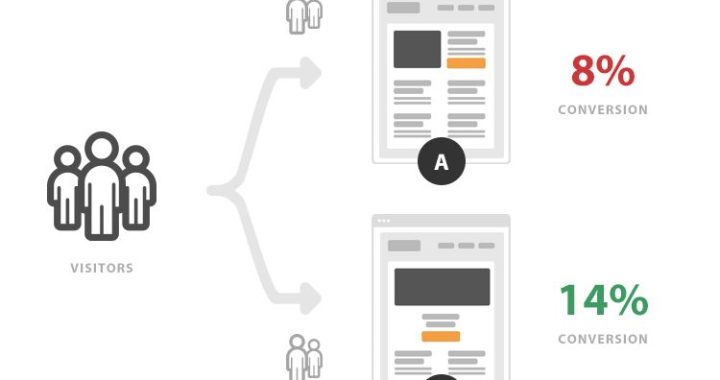
A/B testing is another effective CRO technique. By comparing two versions of a webpage, businesses can determine which design, headline, image, or call-to-action performs better. Small changes based on testing often produce meaningful improvements in conversion rates.

Businesses should also simplify navigation, reduce unnecessary form fields, optimize websites for mobile devices, and ensure that important information is easy to find. The easier it is for visitors to complete an action, the higher the chances of conversion.

Common CRO Mistakes to Avoid

Many businesses focus entirely on increasing website traffic while ignoring conversion optimization. Although attracting visitors is important, converting those visitors into customers should always be a priority.

Another common mistake is making changes without analyzing data. CRO decisions should be based on customer behavior, analytics, and testing rather than personal preferences. Businesses should also avoid using complicated forms, unclear navigation, or confusing calls-to-action, as these create friction that discourages conversions.

Finally, CRO should never be treated as a one-time project. Customer expectations and market trends change over time, making continuous optimization essential for long-term success.

How the Best Digital Marketing Agency Uses CRO

The Best Digital Marketing Agency uses Conversion Rate Optimization to help businesses maximize the value of every website visitor. By analyzing customer behavior, conducting A/B tests, improving landing pages, optimizing calls-to-action, and enhancing website usability, marketers create digital experiences that encourage visitors to take meaningful actions.

CRO concentrates on enhancing business outcomes rather than just generating traffic. Whether the goal is generating leads, increasing online sales, or growing newsletter subscriptions, data-driven optimization helps businesses achieve measurable and sustainable growth.

Conclusion

Conversion Rate Optimization is one of the most valuable strategies in digital marketing because it focuses on turning website visitors into customers. Instead of spending more on advertising, businesses can achieve better results by improving the user experience, simplifying website navigation, and continuously testing different elements of their website.

Successful CRO combines analytics, customer insights, A/B testing, and ongoing optimization to remove barriers that prevent visitors from converting. Even small improvements can lead to significant increases in leads, sales, and overall business performance.

At World Digital Hub, we believe every website should do more than attract visitors—it should convert them into loyal customers. As the Best Digital Marketing Agency, we use CRO alongside SEO, content marketing, analytics, and digital advertising to help businesses achieve higher conversions and long-term online success.

Frequently Asked Questions (FAQs)

1. What is Conversion Rate Optimization (CRO)?

Conversion Rate Optimization (CRO) is the process of improving a website or landing page to increase the percentage of visitors who complete a desired action, such as making a purchase or submitting a contact form.

2. Why is CRO important?

CRO helps businesses generate more leads and sales from their existing website traffic, improves user experience, and increases the return on investment (ROI) from marketing campaigns.

3. What is considered a conversion?

A conversion can be any valuable action that supports business goals, including purchases, contact form submissions, newsletter sign-ups, account registrations, downloads, or consultation bookings.

4. How can businesses improve their conversion rates?

Businesses can improve conversions by optimizing website speed, simplifying navigation, creating compelling calls-to-action, improving content quality, using customer testimonials, and conducting A/B testing.

What Is Customer Journey Mapping?

Understanding Customer Journey Mapping

In today’s competitive digital world, attracting customers is only the first step. The real challenge is understanding how people interact with your business before making a purchase and even after becoming loyal customers. Every customer follows a unique path—from discovering your brand to making a buying decision—and businesses that understand this journey are better equipped to provide exceptional experiences. This process is known as Customer Journey Mapping.

Customer Journey Mapping is a strategy that helps businesses visualize every interaction a customer has with their brand. It allows companies to understand what customers are thinking, feeling, and doing at each stage of their journey. By identifying these touchpoints, businesses can improve customer satisfaction, remove obstacles, and create a smoother buying experience.

The Best Digital Marketing Agency uses customer journey mapping to develop marketing strategies that focus on customer needs rather than assumptions. By understanding how customers behave, businesses can create personalized experiences that increase engagement, improve conversions, and build long-term relationships.

In this blog, we’ll explore what Customer Journey Mapping is, why it’s important, the stages involved, and how businesses can use it to create better marketing strategies.

What Is Customer Journey Mapping?

Customer Journey Mapping is the process of creating a visual representation of every interaction a customer has with a business. It outlines the complete experience, from the moment a customer first becomes aware of a product or service until after they make a purchase and continue engaging with the brand.

Instead of focusing only on selling products, customer journey mapping helps businesses understand customer expectations, emotions, challenges, and motivations at every stage. This allows marketers to identify areas where customers may become frustrated and make improvements that create a better overall experience.

A well-designed customer journey map enables businesses to make customer-focused decisions rather than relying solely on internal assumptions.

Why Is Customer Journey Mapping Important?

Understanding the customer journey helps businesses see their brand from the customer’s perspective. This makes it easier to identify opportunities to improve communication, simplify processes, and provide better support throughout the buying journey. When customers enjoy a smooth and positive experience, they are more likely to trust the business and return in the future.

Customer journey mapping also helps businesses improve their marketing strategies. Instead of sending the same message to everyone, companies can deliver personalized content based on where customers are in their journey. This increases engagement and makes marketing campaigns more effective.

In addition, customer journey mapping encourages teamwork across departments. Marketing, sales, and customer support teams gain a shared understanding of customer needs, allowing them to work together to deliver a consistent and satisfying experience.

The Five Stages of the Customer Journey

Every customer goes through several stages before becoming a loyal customer. Understanding each stage helps businesses create the right content and support at the right time.

1. Awareness

The journey begins when customers realize they have a need or problem. At this stage, they may discover your business through search engines, social media, advertisements, blogs, or recommendations from others. The goal is to create awareness by providing helpful and informative content that introduces your brand.

2. Consideration

After discovering your business, customers begin comparing different products or services. They read reviews, visit websites, watch videos, and evaluate their options. Businesses should focus on building trust by providing detailed information, answering common questions, and demonstrating expertise.

3. Decision

Customers are prepared to buy when they reach the decision stage. They may compare pricing, special offers, testimonials, or customer support before choosing a business. A simple checkout process, clear pricing, and positive customer reviews can help encourage conversions.

4. Retention

The customer journey doesn’t end after the purchase. Businesses should continue engaging customers through excellent support, follow-up emails, loyalty programs, and valuable content. A positive post-purchase experience increases customer satisfaction and encourages repeat business.

5. Advocacy

Satisfied customers often become brand advocates. They leave positive reviews, recommend your business to friends, and share their experiences on social media. Encouraging customer feedback and maintaining strong relationships can turn loyal customers into valuable promoters of your brand.

Key Elements of a Customer Journey Map

An effective customer journey map includes several important elements that help businesses understand customer behavior. First, businesses should identify their target audience by creating customer personas based on demographics, interests, and needs. Understanding who your customers are makes it easier to create personalized experiences.

Next, businesses should identify every customer touchpoint. These include website visits, social media interactions, email campaigns, customer service conversations, and product purchases. Each interaction influences how customers perceive the brand.

Finally, businesses should evaluate customer emotions throughout the journey. Identifying moments of satisfaction, confusion, or frustration helps companies improve the overall experience and remove obstacles that may prevent customers from completing their journey.

Benefits of Customer Journey Mapping

Customer journey mapping provides valuable insights that help businesses make smarter marketing decisions. By understanding customer behavior, companies can create more personalized campaigns that improve engagement and conversion rates. Customers are more likely to respond positively when they receive relevant content that addresses their specific needs.

It also helps businesses improve customer satisfaction by identifying problems before they become major issues. A smoother customer journey often leads to higher retention rates, stronger brand loyalty, and increased customer lifetime value.

Another major benefit is improved decision-making. Instead of relying on assumptions, businesses use real customer insights to optimize websites, marketing campaigns, and customer service processes. This data-driven approach leads to better results and more efficient use of marketing resources.

Common Mistakes to Avoid

Many businesses create customer journey maps but fail to update them as customer behavior changes. Consumer expectations evolve over time, so journey maps should be reviewed regularly to remain accurate and effective.

Another common mistake is focusing only on the purchase stage while ignoring the customer experience before and after the sale. Long-term success depends on building relationships throughout the entire customer lifecycle, not just closing a sale.

Finally, businesses should avoid making assumptions without collecting customer feedback. Surveys, website analytics, customer reviews, and support conversations provide valuable information that helps create more accurate journey maps.

How the Best Digital Marketing Agency Uses Customer Journey Mapping

The Best Digital Marketing Agency uses Customer Journey Mapping to understand how customers interact with businesses across multiple digital channels. By analyzing customer behavior, marketers can create personalized content, optimize websites, improve lead generation, and deliver targeted marketing campaigns that guide customers smoothly through every stage of the buying process.

Whether it’s improving website navigation, creating educational blog content, optimizing email marketing, or strengthening post-purchase engagement, customer journey mapping helps businesses provide exceptional customer experiences that drive long-term growth.

Conclusion

Customer Journey Mapping is one of the most valuable tools in digital marketing because it helps businesses understand the complete customer experience. Instead of focusing only on making sales, companies learn how customers discover their brand, evaluate their options, make purchasing decisions, and continue interacting after becoming customers.

By understanding each stage of the journey, businesses can create personalized experiences that increase customer satisfaction, improve conversions, and build lasting relationships. At World Digital Hub, we believe successful marketing starts with understanding the customer. As the Best Digital Marketing Agency, we use customer journey mapping, SEO, content marketing, and data-driven strategies to help businesses deliver exceptional customer experiences and achieve sustainable growth.

Frequently Asked Questions (FAQs)

1. What is Customer Journey Mapping?

Customer Journey Mapping is the process of visually outlining every interaction a customer has with a business, from discovering the brand to becoming a loyal customer.

2. Why is Customer Journey Mapping important?

It helps businesses understand customer behavior, improve user experiences, identify pain points, increase customer satisfaction, and create more effective marketing strategies.

3. What are the main stages of the customer journey?

The five main stages are Awareness, Consideration, Decision, Retention, and Advocacy.

4. How does Customer Journey Mapping improve marketing?

It allows businesses to create personalized content, optimize customer touchpoints, improve communication, and deliver more relevant marketing messages at each stage of the customer journey.

What Is A/B Testing?

What Is A/B Testing, and How to Run Your First Test

In digital marketing, even the smallest changes can make a big difference. A new headline, a different call-to-action button, or a redesigned landing page can significantly impact how visitors interact with your website. But how do you know which version performs better? The answer is A/B testing.

A/B testing, also known as split testing, is a simple but powerful method used to compare two versions of a webpage, email, advertisement, or other digital content. Instead of relying on assumptions, businesses collect real user data to determine which version delivers better results.

Whether your goal is to generate more leads, increase online sales, or improve user engagement, A/B testing helps you make data-driven decisions. Rather than guessing what your audience prefers, you allow actual customer behavior to guide your marketing strategy.

The Best Digital Marketing Agency uses A/B testing as a core part of digital marketing because continuous testing leads to continuous improvement. In this blog, you’ll learn what A/B testing is, why it matters, and how to run your first successful test.

What Is A/B Testing?

A/B testing is the process of comparing two versions of the same digital asset to identify which one performs better.

Typically:

  • Version A is the original version.
  • Version B contains one specific change.

Your audience is randomly divided between the two versions, and their behavior is measured. The version that achieves better results becomes the preferred choice.

This process removes guesswork and helps businesses improve their websites and marketing campaigns using real performance data.

Why Is A/B Testing Important?

Without testing, businesses often make decisions based on opinions rather than evidence. A/B testing allows marketers to understand what actually works for their audience.

Some key benefits include:

  • Higher conversion rates
  • Better customer experience
  • Increased click-through rates
  • Lower bounce rates
  • Improved marketing performance
  • Better return on investment (ROI)

Even small improvements discovered through testing can lead to significant long-term growth.

What Can You A/B Test?

Almost every digital element can be tested, including:

Website Headlines

Different headlines can attract varying levels of attention and encourage visitors to continue reading.

Call-to-Action (CTA) Buttons

You can test:

  • Button text
  • Button color
  • Button size
  • Button placement

For example, comparing “Get Started” with “Start Your Free Trial” may reveal which phrase generates more clicks.

Landing Pages

Test different layouts, images, forms, or page designs to improve user engagement and conversions.

Email Campaigns

Common elements to test include:

  • Subject lines
  • Email content
  • Images
  • Send times
  • CTA buttons

Advertisements

Compare:

  • Headlines
  • Ad copy
  • Images
  • Offers
  • Audience targeting

Testing helps improve advertising performance and reduce wasted spending.

Product Pages

Businesses often test:

  • Product descriptions
  • Images
  • Pricing displays
  • Customer reviews
  • Purchase buttons

Small adjustments can influence buying decisions.

How A/B Testing Works

The testing process follows a few simple steps:

Step 1: Set a Clear Goal

Decide what you want to improve.

Examples include:

  • More purchases
  • More newsletter subscriptions
  • Higher click-through rates
  • More contact form submissions

A specific goal makes your results easier to measure.

Step 2: Choose One Element to Test

Only test one variable at a time.

Examples include:

  • Headline
  • CTA button
  • Image
  • Form length

Changing multiple elements at once makes it difficult to identify which change influenced the results.

Step 3: Create Two Versions

Prepare:

  • Version A: The original page
  • Version B: The page with one modification

Everything else should remain the same.

Step 4: Split Your Audience

Either Version A or Version B is shown to visitors at random.

This ensures both versions receive similar types of users.

Step 5: Collect Enough Data

Allow sufficient traffic before drawing conclusions.

Ending a test too early can produce unreliable results.

Step 6: Analyze the Results

Compare important metrics such as:

  • Conversion rate
  • Click-through rate
  • Bounce rate
  • Engagement
  • Sales

If Version B performs better, implement it as the new standard.

Key Metrics to Monitor

When reviewing your A/B test, pay attention to:

  • Conversion Rate
  • Click-Through Rate (CTR)
  • Bounce Rate
  • Time on Page
  • Form Submissions
  • Sales
  • Revenue
  • Return on Investment (ROI)

Choose metrics that align with your business goals.

Common A/B Testing Mistakes

Many beginners make mistakes that reduce the accuracy of their tests.

Avoid:

  • Testing multiple changes at once
  • Stopping the test too early
  • Using a very small sample size
  • Ignoring business goals
  • Making decisions without enough data
  • Running tests without tracking results

A structured testing process produces more reliable insights.

Best Practices for Successful A/B Testing

To improve your testing strategy:

  • Test one variable at a time.
  • Define measurable goals before starting.
  • Give your test enough time to collect data.
  • Keep detailed records of every experiment.
  • Continue testing regularly.
  • Base decisions on data rather than opinions.

Remember, optimization is an ongoing process.

How the Best Digital Marketing Agency Uses A/B Testing

The Best Digital Marketing Agency uses A/B testing to improve websites, landing pages, email campaigns, advertisements, and conversion funnels. By analyzing real user behavior, marketers can identify the changes that produce the best results instead of relying on assumptions.

For example, testing different headlines, button text, or page layouts can increase lead generation and sales without increasing advertising costs. Continuous testing helps businesses improve customer experiences, maximize conversions, and achieve long-term marketing success.

Conclusion

A/B testing is one of the most valuable techniques in digital marketing because it helps businesses make smarter decisions based on real data. Instead of guessing what customers want, you can test different versions of your content and measure which one performs better.

Whether you’re optimizing a landing page, improving an email campaign, or refining an online advertisement, regular A/B testing leads to better user experiences, higher conversion rates, and stronger business growth.

At World Digital Hub, we believe successful marketing is built on continuous improvement. As the Best Digital Marketing Agency, we use A/B testing, analytics, SEO, and data-driven strategies to help businesses improve performance, attract more customers, and achieve measurable results.

Frequently Asked Questions (FAQs)

1. What is A/B testing?

A/B testing, also called split testing, is a method of comparing two versions of a webpage, email, advertisement, or other digital asset to determine which performs better based on user behavior.

2. Why is A/B testing important?

A/B testing helps businesses make data-driven decisions, improve user experience, increase conversions, reduce bounce rates, and maximize return on investment (ROI).

3. What elements can be tested?

You can test headlines, call-to-action buttons, landing pages, email subject lines, advertisements, product pages, images, forms, and website layouts.

4. What is the ideal duration for an A/B test?

A test should continue until it collects enough data to produce reliable results. The exact duration depends on your website traffic and the number of visitors participating in the test.

What Are KPIs?

What Are KPIs? The Metrics Which Really Count (and Many Don’t)

In digital marketing, numbers are everywhere. Website traffic, social media likes, email opens, ad impressions, and follower counts can make it seem like your business is performing well. But do these numbers always reflect real success? Not necessarily. This is where Key Performance Indicators (KPIs) become essential.

KPIs are measurable values that help businesses understand whether they are achieving their goals. Instead of tracking every available metric, KPIs focus on the data that truly impacts growth, customer engagement, and revenue. Instead of depending on conjecture, they assist companies in making well-informed judgments.

Whether you’re running a startup, an online store, or a large organization, choosing the right KPIs allows you to monitor progress, improve marketing strategies, and maximize return on investment (ROI).

The Best Digital Marketing Agency doesn’t chase impressive-looking numbers—it focuses on meaningful KPIs that drive real business results. In this blog, we’ll explain what KPIs are, which metrics matter most, which ones can be misleading, and how to choose the right KPIs for your business.

What Are KPIs?

Key Performance Indicator (KPI) is a measurable value that shows how effectively a business is achieving a specific objective.

Unlike general metrics, KPIs are directly connected to business goals. They help answer questions such as:

  • Is our website attracting the right audience?
  • Are our marketing campaigns generating leads?
  • Are visitors becoming customers?
  • Are we increasing revenue over time?

A good KPI provides clear, actionable insights that support better decision-making.

Why Are KPIs Important?

Tracking the right KPIs helps businesses:

  • Measure marketing success
  • Identify strengths and weaknesses
  • Improve decision-making
  • Set realistic goals
  • Optimize campaigns
  • Increase return on investment (ROI)
  • Monitor long-term growth

Without KPIs, it’s difficult to know whether your marketing efforts are producing meaningful results.

KPIs vs Metrics

Although people often use these terms interchangeably, they are not the same.

KPIs Metrics
Directly linked to business goals Measures general activity
Helps evaluate success Provides supporting information
Guides decision-making Offers additional insights
Focuses on outcomes Focuses on numbers

For example:

  • Website Traffic is a metric.
  • Lead Conversion Rate is a KPI because it directly measures business success.

KPIs That Actually Matter

1. Website Traffic

The number of visitors to your website is indicated by its traffic.

While traffic alone doesn’t guarantee success, consistent growth indicates increasing visibility and brand awareness.

2. Conversion Rate

The percentage of visitors that finish a targeted action is known as the conversion rate.

Examples include:

  • Making a purchase
  • Filling out a contact form
  • Booking a consultation
  • Signing up for a newsletter

A strong conversion rate often reflects an effective website and marketing strategy.

3. Customer Acquisition Cost (CAC)

CAC measures how much it costs to acquire one new customer.

Keeping acquisition costs lower than customer value helps maintain profitable growth.

4. Return on Investment (ROI)

ROI measures how much profit your marketing activities generate compared to the money invested.

This is one of the most valuable KPIs because it directly reflects campaign performance.

5. Customer Retention Rate

Acquiring new customers is important, but retaining existing ones is often even more valuable.

A high retention rate indicates customer satisfaction and long-term loyalty.

6. Lead Generation

Leads represent potential customers who express interest in your products or services.

Monitoring lead generation helps businesses evaluate marketing effectiveness.

7. Organic Search Traffic

Organic traffic comes from search engines without paid advertising.

Growth in organic traffic usually reflects successful SEO efforts.

To measure long-term search visibility, The Best Digital Marketing Agency maintains constant watch on this KPI.

Metrics That Can Be Misleading

Not every impressive number contributes to business success.

Social Media Likes

A post may receive thousands of likes without generating sales or leads.

Engagement is useful, but business impact matters more.

Follower Count

Having a large audience doesn’t always mean people are interested in your products or services.

A smaller, highly engaged audience often delivers better results.

Page Views Alone

High page views don’t necessarily indicate success if visitors leave immediately without taking action.

Always evaluate engagement and conversions alongside traffic.

Ad Impressions

An advertisement may appear thousands of times, but impressions alone don’t guarantee meaningful engagement or sales.

Choosing the Right KPIs

Every business has different objectives.

For Brand Awareness

Focus on:

  • Website traffic
  • Reach
  • Organic search growth
  • Social engagement

For Lead Generation

Track:

  • Contact form submissions
  • Email sign-ups
  • Qualified leads
  • Cost per lead

For E-commerce Businesses

Monitor:

  • Sales revenue
  • Conversion rate
  • Average order value
  • Cart abandonment rate

For Customer Retention

Measure:

  • Repeat purchases
  • Customer satisfaction
  • Retention rate
  • Customer lifetime value

Choosing KPIs that align with your goals provides more meaningful insights.

Common KPI Mistakes

Businesses often make these mistakes:

  • Tracking too many metrics
  • Choosing KPIs unrelated to business goals
  • Ignoring customer behavior
  • Measuring short-term results only
  • Failing to review KPIs regularly

Keeping your KPI dashboard focused makes it easier to identify opportunities for improvement.

How to Improve Your KPIs

Improving KPIs requires consistent optimization.

Some best practices include:

  • Create valuable content.
  • Improve website speed.
  • Optimize for search engines.
  • Enhance user experience.
  • Test marketing campaigns regularly.
  • Analyze customer feedback.
  • Review performance reports monthly.

Small improvements over time often produce significant long-term growth.

How the Best Digital Marketing Agency Uses KPIs

The Best Digital Marketing Agency believes that successful marketing is driven by data, not assumptions. Instead of focusing on vanity metrics, experienced marketers monitor KPIs that directly influence business performance.

By tracking website traffic, conversions, SEO performance, customer acquisition costs, and ROI, businesses gain valuable insights into what’s working and where improvements are needed. These data-driven decisions help create more effective campaigns, improve customer experiences, and deliver measurable business growth.

Conclusion

KPIs are the foundation of successful digital marketing because they help businesses measure progress toward meaningful goals. While general metrics provide useful information, KPIs focus on the numbers that truly impact growth, customer engagement, and profitability.

Instead of becoming distracted by likes, impressions, or follower counts, businesses should prioritize metrics such as conversions, ROI, customer retention, and qualified leads. These indicators provide a clearer picture of marketing success and support better decision-making.

At World Digital Hub, we believe that every marketing strategy should be backed by reliable data. As the Best Digital Marketing Agency, we help businesses identify the right KPIs, monitor performance, and continuously optimize campaigns for sustainable, long-term success.

Frequently Asked Questions (FAQs)

1. What is a KPI?

A Key Performance Indicator (KPI) is a measurable value that helps businesses evaluate how effectively they are achieving specific goals.

2. What is the difference between a KPI and a metric?

A metric measures general performance, while a KPI is directly connected to business objectives and helps determine overall success.

3. What are the most important digital marketing KPIs?

Some of the most valuable KPIs include website traffic, conversion rate, customer acquisition cost (CAC), return on investment (ROI), lead generation, customer retention, and organic search traffic.

4. Why are vanity metrics considered less useful?

Vanity metrics, such as likes, follower counts, or impressions, may look impressive but don’t always indicate business growth, customer engagement, or revenue.

What Is Google Analytics?

What Is Google Analytics, and How to Read It Like a Pro

Running a website without tracking its performance is like driving a car without looking at the dashboard. You may be moving forward, but you won’t know how fast you’re going, how much fuel you have left, or when something needs attention. This is where Google Analytics becomes an essential tool.

Google Analytics helps website owners understand how visitors find and interact with their websites. It provides valuable information about website traffic, user behavior, popular pages, and marketing performance. Instead of guessing what works, businesses can make informed decisions based on real data.

Whether you own a small business, manage an online store, or work as a digital marketer, learning to read Google Analytics can help you improve your website, attract more visitors, and increase conversions.

The Best Digital Marketing Agency uses Google Analytics to monitor campaigns, understand customer behavior, and optimize websites for better performance. In this blog, we’ll explain what Google Analytics is, its key features, and how you can read its reports like a professional.

What Is Google Analytics?

Google Analytics is a free web analytics platform developed by Google that helps businesses track and analyze website traffic.

It collects data about visitors, including:

  • Number of website users
  • Traffic sources
  • Popular pages
  • Time spent on the website
  • User behavior
  • Device types
  • Geographic locations
  • Conversion activities

This information helps businesses understand how visitors interact with their websites and identify opportunities for improvement.

Why Is Google Analytics Important?

Without analytics, businesses rely on assumptions. Google Analytics provides accurate insights that support smarter marketing decisions.

Its benefits include:

  • Measuring website performance
  • Understanding customer behavior
  • Identifying successful marketing channels
  • Improving user experience
  • Tracking conversions
  • Supporting SEO strategies
  • Monitoring business growth

Data-driven decisions often produce better long-term results than guesswork.

Key Metrics You Should Know

Understanding a few core metrics makes Google Analytics much easier to use.

Users

This shows how many unique people visited your website during a selected time period.

A growing number of users usually indicates increasing brand awareness.

Sessions

Session that represents a visit of your website.

One user may have multiple sessions if they return several times.

Views

Views show how many pages visitors looked at during their sessions.

Higher page views often suggest visitors are exploring your content.

Engagement Rate

The engagement rate measures how actively visitors interact with your website.

A higher engagement rate often indicates that users find your content useful and relevant.

Average Engagement Time

This metric shows how long visitors actively spend on your website.

Longer engagement usually reflects valuable content and a better user experience.

Conversions

Conversions measure important actions completed by visitors.

Examples include:

  • Filling out a contact form
  • Purchasing a product
  • Downloading a guide
  • Signing up for a newsletter

Conversions are one of the most valuable metrics because they directly relate to business goals.

Understanding Traffic Sources

Google Analytics categorizes website visitors based on how they arrived.

Organic Search

Visitors who found your website through search engines like Google.

This traffic is often driven by strong SEO efforts.

Direct Traffic

visitors who both took advantage of a saved bookmarking or placed your website’s address directly into their browser.

Referral Traffic

Visitors who clicked links from other websites that directed them to your site.

Social Traffic

Visitors arriving from social media platforms such as Facebook, Instagram, LinkedIn, or X.

Paid Traffic

Visitors generated through paid advertising campaigns like Google Ads or social media ads.

Knowing your traffic sources helps you understand which marketing channels are delivering the best results.

Reports Every Beginner Should Read

Google Analytics offers many reports, but beginners should focus on a few essential ones.

Acquisition Report

Shows where your visitors come from and which marketing channels generate the most traffic.

Engagement Report

Displays your most popular pages and how users interact with your content.

Demographics Report

Provides information about your audience, including age groups, countries, cities, and languages.

Technology Report

Shows which devices, browsers, and operating systems visitors use.

Optimizing your website for popular devices improves user experience.

Conversion Report

Tracks important business actions such as purchases, sign-ups, and contact form submissions.

How to Read Google Analytics Like a Pro

Reading reports isn’t just about looking at numbers. It’s about knowing the value of those statistics.

Look for Trends

Compare traffic over different weeks or months to identify growth or decline.

Identify High-Performing Pages

Find pages that attract the most visitors and engagement.

These pages can inspire future content.

Monitor Bounce Patterns

If visitors leave quickly from certain pages, review the content, loading speed, or user experience.

Track Marketing Campaigns

Evaluate whether SEO, social media, email, or paid advertising generates the highest-quality traffic.

Measure Business Goals

Focus on metrics that align with your objectives, such as leads, sales, or newsletter subscriptions.

Common Mistakes to Avoid

Many beginners make these mistakes when using Google Analytics:

  • Looking only at traffic numbers
  • Ignoring conversion data
  • Not comparing date ranges
  • Focusing on one metric instead of the overall picture
  • Forgetting to define business goals
  • Making decisions without sufficient data

Analytics becomes most valuable when multiple metrics are analyzed together.

How Google Analytics Supports SEO

Google Analytics complements SEO by helping businesses understand how users interact with their websites.

It helps marketers:

  • Discover high-performing pages
  • Monitor organic traffic growth
  • Improve user engagement
  • Identify content opportunities
  • Optimize landing pages
  • Measure SEO campaign effectiveness

The Best Digital Marketing Agency combines Google Analytics with SEO strategies to improve search visibility and deliver measurable business results.

Best Practices for Using Google Analytics

To get the most from Google Analytics:

  • Review reports regularly.
  • Set clear business goals.
  • Track conversions.
  • Compare performance over time.
  • Monitor your top-performing pages.
  • Use insights to improve content and marketing campaigns.
  • Continue testing and optimizing your website.

Consistent analysis leads to continuous improvement.

Conclusion

Google Analytics is one of the most powerful tools available for understanding website performance. It provides valuable insights into visitor behavior, traffic sources, engagement, and conversions, allowing businesses to make informed decisions rather than relying on assumptions.

Learning to read analytics reports may seem challenging at first, but by focusing on key metrics and understanding user behavior, anyone can use data to improve website performance and achieve better marketing results.

At World Digital Hub, we use data-driven strategies to help businesses grow online. As the Best Digital Marketing Agency, we combine Google Analytics, SEO, content marketing, and digital advertising to create measurable results that support long-term business success.

Frequently Asked Questions (FAQs)

1. What is Google Analytics?

Google Analytics is a free web analytics platform that helps businesses track website traffic, understand visitor behavior, measure marketing performance, and monitor conversions.

2. Why is Google Analytics important?

It provides valuable insights that help businesses improve their websites, understand customer behavior, optimize marketing campaigns, and make data-driven decisions.

3. What are the most important Google Analytics metrics?

Some of the key metrics include users, sessions, page views, engagement rate, average engagement time, traffic sources, and conversions.

4. Can Google Analytics improve SEO?

Yes. Google Analytics helps identify high-performing pages, monitor organic traffic, analyze user behavior, and measure the effectiveness of SEO strategies.